
A roof is one of the biggest investments you’ll make in your home, and in a place like Tilton, NH, where roofs face snowy winters, spring rain, summer heat, and colorful but leaf-filled autumns, understanding how long different roofing materials last can help you plan ahead. Whether you’re buying a home, budgeting for a replacement, or wondering if your current roof is nearing the end of its life, knowing what to expect can prevent costly surprises.
Quick Answer
The lifespan of a roof depends largely on the material, installation quality, maintenance, and the local climate. Asphalt shingles generally last 20 to 30 years, architectural shingles often reach 30 to 40 years, while steel roofing can last 40 to 70 years or more with proper care. In central New Hampshire, weather conditions such as snow loads, freeze-thaw cycles, and strong seasonal storms can influence how quickly roofing materials age.
What Local Readers Should Know
- Heavy winter snow and ice in Belknap County can shorten the life of aging roofing materials if drainage issues develop.
- Steel roofing is especially popular throughout the Lakes Region because it sheds snow efficiently and resists moisture.
- Homes near Lake Winnisquam and other nearby waterways may experience additional moisture exposure that makes routine roof inspections important.
- Annual inspections after winter and fall can help identify small issues before they become expensive repairs.
- Replacing a roof before significant leaks develop often protects insulation, framing, and interior finishes.
Why This Matters Locally
Understanding roof lifespan matters because New Hampshire’s climate places unique demands on roofing systems. Homes throughout Tilton, Northfield, Sanbornton, Franklin, and Belmont regularly experience freezing temperatures followed by rapid warming. These freeze-thaw cycles can stress roofing materials, flashing, and fasteners over time.
Drew’s Affordable Steel Roofing helps homeowners understand how different roofing materials perform under these local conditions so they can make informed decisions about repairs, maintenance, and replacement. From this point forward, we’ll simply refer to ourselves as we because our focus is helping local homeowners protect their investment.
Local Data or Field Observations
Professional field observations consistently show that roofs in central New Hampshire often experience their greatest wear from winter weather rather than summer heat alone. Snow accumulation, ice dams, high winds, and repeated moisture exposure gradually weaken roofing systems over many seasons.
While every roof ages differently, homes surrounded by mature trees often require additional maintenance because leaves, pine needles, and branches can trap moisture and clog gutters.
How Long Different Roofing Materials Last
The lifespan of roofing materials varies significantly depending on the product and how well it is maintained.
Asphalt Three-Tab Shingles
Traditional three-tab asphalt shingles typically last between 20 and 25 years.
They remain one of the most affordable roofing options, but they may be more vulnerable to wind damage, granule loss, and repeated freeze-thaw cycles than premium materials.
Architectural Asphalt Shingles
Architectural shingles generally last 30 to 40 years.
Their thicker construction provides improved resistance against wind and weather while offering a more dimensional appearance that many homeowners prefer.
Steel Roofing
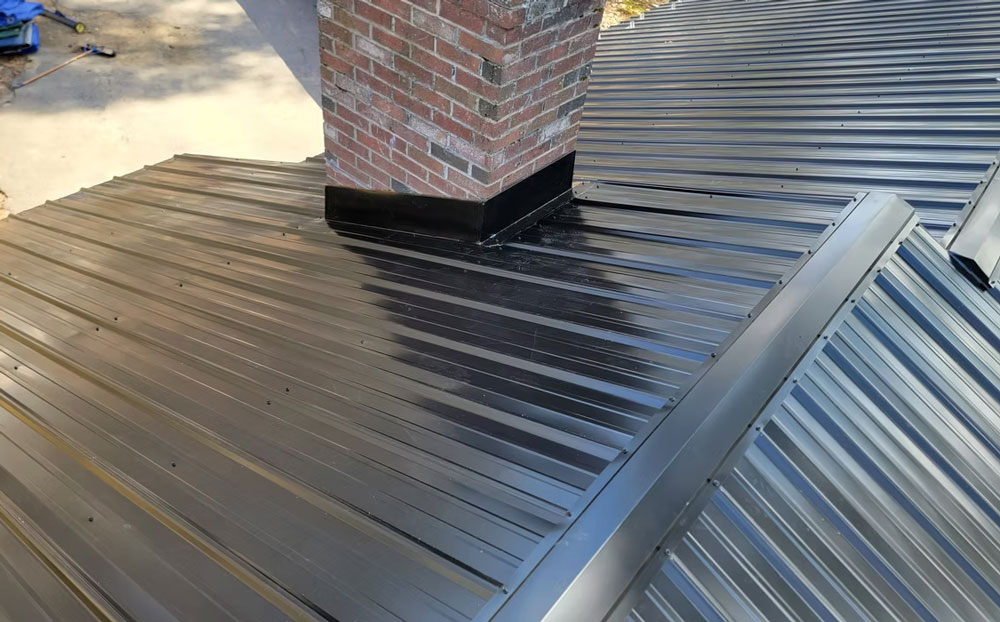
Steel roofing commonly lasts 40 to 70 years and sometimes longer with proper installation and maintenance.
Steel panels resist cracking, rot, insect damage, and many of the issues associated with moisture. They also allow snow to slide off more efficiently, reducing prolonged snow loads during New Hampshire winters.
Cedar Shake Roofing
Cedar shake roofs may last 25 to 35 years when properly maintained.
However, moisture, moss growth, and limited maintenance can shorten their lifespan considerably in humid environments.
Slate Roofing
Natural slate is among the longest-lasting roofing materials available, often exceeding 75 to 100 years.
Its weight and installation requirements make it suitable only for structures designed to support it.
Local Impact
Roof longevity affects more than just replacement costs.
An aging roof can reduce energy efficiency, increase heating costs during New Hampshire winters, allow moisture into attic spaces, and create opportunities for mold or wood rot. Small roofing problems frequently become larger structural repairs if ignored through multiple seasons.
Warning Signs Your Roof May Be Nearing the End of Its Life
Several warning signs indicate a roof may need professional evaluation.
- Missing or damaged shingles
- Rust, loose fasteners, or visible corrosion on metal roofing
- Curling, cracking, or blistering shingles
- Frequent leaks after rain or snowmelt
- Granules collecting in gutters
- Sagging roof sections
- Daylight visible in the attic
- Water stains on ceilings or walls
Even if your roof has not reached its expected lifespan, these symptoms deserve prompt attention.
When to Call a Professional
Professional roof inspections are recommended whenever you notice visible damage, recurring leaks, or signs of aging.
Homeowners can safely observe their roof from the ground using binoculars and monitor ceilings for leaks. Walking on a roof, especially after snow or rain, presents significant safety risks and should generally be left to experienced roofing professionals.
Common Local Causes of Roof Wear
Several factors commonly shorten roof lifespan throughout the Tilton area.
1. Freeze-Thaw Cycles
Repeated freezing and thawing allows moisture to expand inside small cracks, gradually increasing damage.
2. Heavy Snow Loads
Snow accumulation adds significant weight and can increase stress on older roofing systems.
3. Ice Dams
Poor attic ventilation and insulation may contribute to ice dams that force water beneath roofing materials.
4. Wind
Seasonal windstorms can loosen shingles, flashing, and ridge caps.
5. Tree Debris
Leaves, pine needles, and falling branches increase moisture retention and physical wear.
Prevention and Maintenance
Routine maintenance helps maximize roof lifespan regardless of material.
- Schedule annual roof inspections.
- Clean gutters every spring and fall.
- Remove branches hanging over the roof.
- Address small repairs promptly.
- Check attic ventilation regularly.
- Watch for signs of leaks after major storms.
- Remove excessive snow safely when recommended by professionals.
Consistent maintenance often extends roof performance while reducing emergency repair costs.
Expected Results
Regular inspections and timely maintenance can significantly improve long-term roof performance.
While no roof lasts forever, catching minor issues early often delays replacement, protects the home’s structure, and helps maintain energy efficiency.
Common Mistakes
Mistake: Waiting until leaks appear.
Consequence: Interior water damage often costs much more than early roof repairs.
Better Approach: Schedule periodic inspections, especially after severe winter weather.
Mistake: Ignoring clogged gutters.
Consequence: Water backs up beneath roofing materials and increases moisture damage.
Better Approach: Clean gutters seasonally and after heavy leaf fall.
Mistake: Assuming roof age alone determines replacement timing.
Consequence: Some roofs fail early due to weather or installation issues.
Better Approach: Base replacement decisions on both age and overall condition.
Common Local Scenario
A homeowner in the Tilton area notices a few missing shingles after winter and assumes repairs can wait until summer. By spring, repeated rain and melting snow allow moisture into the attic, leading to insulation damage and ceiling stains. An early inspection after winter could have identified the problem before interior repairs became necessary.
Related Service Solutions
Different roofing needs require different solutions.
Routine inspections identify developing issues before they worsen.
Roof repairs address localized damage when the overall roof remains structurally sound.
Complete roof replacement becomes the better investment when widespread deterioration or advanced age makes continued repairs less practical.
Steel roofing offers homeowners seeking long-term durability an option designed to perform well in New Hampshire’s changing seasons.
Comparing Your Options
| Option | Best For | Considerations |
|---|---|---|
| Repair | Isolated damage | Lower immediate cost if roof is otherwise healthy |
| Replacement | Aging or widespread damage | Long-term investment with improved reliability |
| Asphalt Roofing | Budget-conscious homeowners | Shorter lifespan than steel |
| Steel Roofing | Long-term durability | Higher upfront investment but longer expected service life |
Service Areas
We proudly serve homeowners in Tilton, Northfield, Franklin, Belmont, Sanbornton, and surrounding communities throughout Belknap County and the greater Lakes Region. We understand the roofing challenges created by New Hampshire’s changing seasons and provide solutions designed for local conditions.
Cost of Ignoring the Issue
Delaying roof maintenance or replacement can allow water intrusion to damage insulation, drywall, framing, and personal belongings. Small roofing issues rarely become less expensive over time, particularly after another winter season.
Frequently Asked Questions
How long does an asphalt roof usually last in Tilton, NH?
Most asphalt roofs last between 20 and 30 years. Local weather conditions, including snow, ice, and freeze-thaw cycles, can influence actual lifespan, making routine inspections especially valuable.
Does steel roofing last longer than shingles?
Yes. Steel roofing typically lasts 40 to 70 years or more with proper installation and maintenance, making it one of the longest-lasting residential roofing materials available.
Can heavy snow shorten a roof’s lifespan?
Yes. Heavy snow increases structural stress and contributes to ice dam formation if ventilation or drainage problems exist. Regular inspections help identify issues before damage becomes significant.
Should I replace my roof based only on its age?
No. Age is one factor, but the roof’s overall condition, maintenance history, and visible damage are equally important when deciding whether replacement is necessary.
How often should homeowners in Belknap County schedule roof inspections?
Most professionals recommend annual inspections along with additional evaluations following major storms or severe winter weather.
What roofing material performs well in New Hampshire?
Several materials perform well, but steel roofing is especially well suited for New Hampshire because it handles snow, moisture, and seasonal temperature changes effectively.
Can roof maintenance extend roof life?
Yes. Cleaning gutters, repairing minor damage promptly, trimming trees, and scheduling inspections can all help maximize roof lifespan.
How do I know if my roof needs replacement instead of repair?
A professional inspection can determine whether localized repairs remain practical or whether widespread deterioration makes replacement the better long-term investment.
Protect Your Home with a Roof Built for New Hampshire
A well-maintained roof provides reliable protection through every season while helping preserve your home’s value and comfort. Whether you need an inspection, repairs, or are exploring long-lasting steel roofing options, we’re here to help you make an informed decision.