
If your roof has been damaged after a New England storm, knowing what to do next can make the insurance claim process much smoother. From hail and high winds to heavy snow and falling tree limbs, homeowners across New Hampshire, Massachusetts, Maine, and Vermont face weather conditions that can lead to costly roof damage.
Quick Answer
The roof insurance claim process starts by documenting the damage, contacting your insurance company promptly, scheduling a professional roof inspection, meeting with the insurance adjuster, reviewing your claim estimate, and completing repairs with a qualified roofing contractor. Keeping thorough records and acting quickly helps improve the chances of a smooth claim.
What Local Homeowners Should Know
- Most insurance companies require homeowners to report storm damage within a specific timeframe after the event.
- New England’s severe winter storms, hail, and wind events can all cause roof damage that may qualify for coverage depending on your policy.
- Proper roof damage documentation, including photos and inspection reports, is one of the most important parts of a successful claim.
- Waiting too long to repair damaged roofing can allow water intrusion that may not be covered if it results from delayed maintenance.
- A professional roofing inspection can help determine whether your roof needs repairs or a full replacement before speaking with your insurance company.
Why This Matters for New England Homeowners
Homes throughout New Hampshire, Massachusetts, Maine, and Vermont experience some of the toughest weather conditions in the Northeast. Ice dams, freeze-thaw cycles, heavy snow loads, high winds, and seasonal hail storms can all shorten the life of roofing materials or create sudden damage.
Property owners in communities like Tilton, Concord, Laconia, Manchester, Nashua, and surrounding areas often discover damage only after a leak appears inside the home. By then, the damage may have spread beyond the roof itself.
Drew’s Affordable Steel Roofing has spent more than 30 years helping homeowners throughout New England evaluate storm damage, understand their roofing options, and navigate insurance-related roofing projects. After this introduction, we’ll simply refer to ourselves as we because our goal is to help educate homeowners first.
Local Field Observation
Based on our experience inspecting roofs throughout New Hampshire and neighboring states, many homeowners underestimate storm damage because it is not always visible from the ground. Hail bruising, lifted flashing, loosened fasteners, and wind-damaged panels may not immediately cause leaks but can significantly reduce a roof’s lifespan if left unaddressed.
Step 1: Make Sure Everyone Is Safe
The first step in the roof insurance claim process is ensuring your family’s safety before inspecting any damage.
If there are downed power lines, structural concerns, or active leaks near electrical equipment, contact the appropriate emergency services or utility provider first. Never climb onto a roof immediately after a storm.
Instead:
- Walk around your property safely.
- Look for fallen branches or debris.
- Check ceilings for water stains.
- Photograph visible damage from the ground.
Step 2: Document the Roof Damage
Proper roof damage documentation provides the evidence your insurance company will need.
Take clear photographs of:
- Missing roofing materials
- Dented gutters
- Damaged flashing
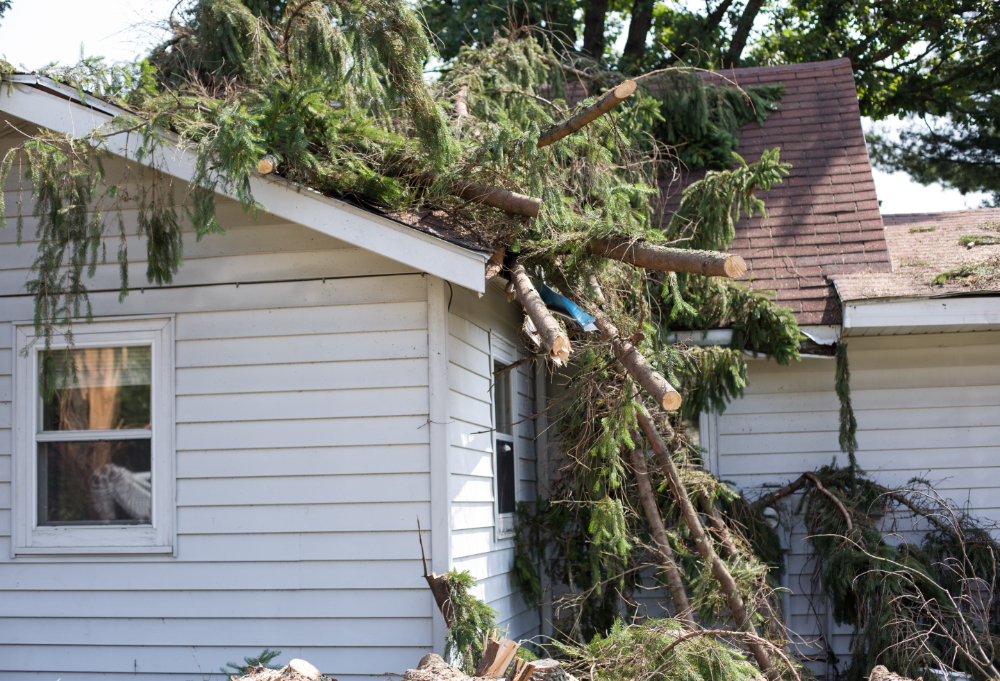
- Fallen tree limbs
- Water stains inside the home
- Ceiling damage
- Exterior siding damage
- Window damage caused by the same storm
Record the date and approximate time of the storm if known.
If neighbors experienced similar damage, that information may also help establish the timing of the weather event.
Step 3: Contact Your Insurance Company
Contact your insurance provider as soon as practical after discovering storm damage.
Have ready:
- Your policy number
- Date of the storm
- Description of the damage
- Photos you’ve collected
- Temporary repair receipts if applicable
The insurance company will assign a claim number and schedule an adjuster inspection.
Step 4: Schedule a Professional Roof Inspection
A professional roof inspection helps identify damage that homeowners may overlook.
An experienced roofing contractor can determine:
- Whether damage is cosmetic or structural
- Whether repairs are sufficient
- Whether replacement is more economical
- Whether hail or wind caused the damage
- Whether emergency protection is needed
This inspection also helps homeowners better understand the adjuster’s findings.
Step 5: Meet With the Insurance Adjuster
The insurance adjuster evaluates the roof and determines what your policy covers.
Many homeowners choose to have their roofing contractor present during the inspection. This allows technical roofing questions to be answered immediately and helps ensure all visible storm damage is identified.
Maintain copies of:
- Inspection reports
- Photos
- Estimates
- Communication with the insurance company
Good documentation keeps the process organized.
Step 6: Review the Insurance Estimate Carefully
The insurance estimate should clearly explain:
- Covered repairs
- Deductible
- Replacement cost
- Actual cash value if applicable
- Depreciation
- Additional covered repairs
If anything appears incomplete or inaccurate, discuss it with both your insurance company and roofing contractor before work begins.
Step 7: Complete the Roof Repairs or Replacement
Once approved, repairs or replacement can begin.
Choosing the right roofing solution depends on:
- Age of the existing roof
- Extent of storm damage
- Long-term maintenance goals
- Budget
- Insurance coverage
For many New England homeowners, investing in a long-lasting steel roofing system can reduce future maintenance while providing exceptional durability against snow, wind, and seasonal weather.
Our residential and commercial steel roofing systems include standing seam, steel shingles, and exposed fastener panels designed to withstand New England’s harsh winters and hot summers. Many installations can be completed over an existing roof without requiring a complete tear-off. Our roofs are backed by a 40-year material warranty, feature Cool Roof® technology to help improve energy efficiency, and are available with 100% financing for qualified homeowners.
Warning Signs Your Roof May Have Storm Damage
You should schedule an inspection if you notice:
- Missing shingles or roofing panels
- Dented metal components
- Granules collecting in gutters
- Water stains on ceilings
- Sagging roof sections
- Loose flashing
- Daylight visible through attic spaces
- Pieces of roofing material in the yard
Repair vs. Replacement
The right solution depends on the condition of the roof, not simply the age.
| Repairs May Be Enough | Replacement May Be Better |
|---|---|
| Small isolated damage | Widespread hail damage |
| Minor flashing issues | Extensive wind damage |
| Limited leaks | Aging roof near end of lifespan |
| Recent roof installation | Multiple previous repairs |
| Damage confined to one area | Structural deterioration |
A professional inspection helps determine which option provides the best long-term value.
Common Mistakes During the Roof Insurance Claim Process
Avoid these common mistakes:
Waiting too long to file the claim
Delays may complicate the investigation and increase repair costs.
Throwing away damaged materials
Keep damaged roofing materials until instructed otherwise.
Making permanent repairs before documentation
Temporary emergency protection is appropriate, but fully repairing damage before inspection may create questions during the claim.
Choosing the lowest estimate without considering quality
Materials, workmanship, warranties, and installation experience all affect long-term performance.
Common Local Scenario
A homeowner in central New Hampshire notices a ceiling stain several weeks after a windstorm. A roof inspection reveals lifted flashing and storm-related damage that was not visible from the ground. Because the homeowner documented the damage promptly after discovery and filed the claim quickly, repairs proceed before additional interior damage develops.
Preventing Future Roofing Problems
While storms cannot be prevented, homeowners can reduce future problems by:
- Scheduling annual roof inspections
- Clearing debris from gutters
- Trimming overhanging tree limbs
- Checking attic ventilation
- Addressing minor roof issues before severe weather arrives
Routine inspections are especially valuable before winter and after major storms.
Related Roofing Services
Storm damage often reveals roofing issues that extend beyond a single leak. Professional roofing services may include:
- Roof inspections
- Storm damage assessments
- Emergency roof protection
- Roof repairs
- Steel roof replacement
- Insurance claim assistance
- Preventive maintenance
Comparing Your Options
| Option | Benefits | Considerations |
|---|---|---|
| DIY inspection | Initial visual assessment | Limited to ground-level observations |
| Professional inspection | Comprehensive evaluation | Identifies hidden damage |
| Roof repair | Lower upfront cost | Best for limited damage |
| Roof replacement | Long-term durability | Higher initial investment but longer service life |
Service Areas
We proudly serve homeowners throughout New Hampshire while also providing roofing services across Massachusetts, Maine, and Vermont. Our showroom is located in Tilton, NH, making it convenient for property owners throughout the region to explore steel roofing options in person.
The Cost of Waiting
Delaying roof repairs after storm damage can allow moisture to spread into insulation, decking, drywall, and structural framing. What begins as a small roofing issue can become a much larger and more expensive repair if left untreated.
Frequently Asked Questions
Does homeowners insurance cover roof storm damage in New Hampshire?
Yes. Most homeowners insurance policies cover sudden storm-related roof damage caused by covered events such as hail, wind, or falling trees. Coverage depends on your individual policy and the condition of the roof before the storm.
How long do I have to file a roof insurance claim?
Most insurance companies require claims to be filed within a specified period after the storm. Reporting damage promptly helps preserve evidence and keeps the claim moving efficiently.
What should I include in my roof damage documentation?
Include clear photographs, videos if possible, written notes about the storm, dates, interior damage, temporary repair receipts, and any inspection reports prepared by a roofing professional.
Can hail damage affect a metal roof?
Yes. Although steel roofing is highly durable, severe hail can still cause cosmetic or functional damage depending on hail size and storm intensity. A professional inspection can determine whether repairs are needed.
Should I repair my roof before the insurance adjuster arrives?
Temporary measures to prevent additional damage are generally appropriate, but major repairs should usually wait until the insurance company has documented the damage unless emergency circumstances require immediate action.
How do I know if my roof should be repaired or replaced?
A professional inspection evaluates the age of the roof, extent of damage, remaining lifespan, and overall condition to determine whether repairs or replacement offer the better long-term investment.
Protect Your Home With Trusted Roofing Guidance
Storm damage can be stressful, but understanding the roof insurance claim process helps homeowners make informed decisions and avoid unnecessary delays. Acting quickly, documenting damage carefully, and working with experienced roofing professionals can make the process much easier.