
A roof in Tilton has to handle a little bit of everything: winter snow, ice, spring rain, summer sun, falling leaves, and repeated freeze-thaw cycles. An annual roof check can help homeowners spot small problems before another New Hampshire season puts additional stress on the roofing system.
Quick answer: Homeowners should inspect their roof at least annually for damaged roofing material, loose flashing, failing sealants, clogged gutters, drainage problems, moss or debris, damaged penetrations, interior moisture, ventilation concerns, and other visible signs of wear. In central New Hampshire, checking after winter and keeping an eye on the roof after severe weather can also help catch developing problems.
What local homeowners should know
-
Snow, ice, moisture, and freeze-thaw cycles can expose weak points in a roof over time.
-
Homes around Tilton and the Lakes Region may also deal with leaves, pine needles, branches, and other roof debris.
-
Gutters and drainage areas should remain clear so melting snow and rain can move away from the roof.
-
A ground-level inspection can reveal many problems, while questionable or difficult-to-reach areas are better evaluated by a roofing professional.
Why Does Annual Roof Maintenance Matter in Tilton?
Annual roof maintenance matters in Tilton because New Hampshire roofs experience major seasonal changes, including freezing temperatures, snow accumulation, spring runoff, rain, wind, and summer heat. Regular checks give homeowners an opportunity to find visible deterioration before it contributes to leaks or more extensive damage.
Properties throughout Belknap County experience conditions that can be demanding on exterior building materials. Roof edges may be exposed to ice and snowmelt in winter, while shaded areas can remain damp longer after rain or melting snow.
The nearby Lakes Region also brings plenty of wooded properties where leaves, needles, and small branches can collect in valleys, gutters, and other drainage areas.
At Drew’s Affordable Steel Roofing, we understand that local roof maintenance is largely about staying ahead of New Hampshire weather. We encourage homeowners to pay attention to changes in their roofing system throughout the year rather than waiting for an obvious interior leak.
What Should Homeowners Include in an Annual Roof Maintenance Checklist?
An annual roof maintenance checklist should cover the roof surface, flashing, fasteners or attachment points where visible, sealants, gutters, drainage paths, penetrations, debris, attic conditions, and interior warning signs. These 12 checks provide Tilton homeowners with a practical starting point.
1. Check the Roof Surface for Visible Damage
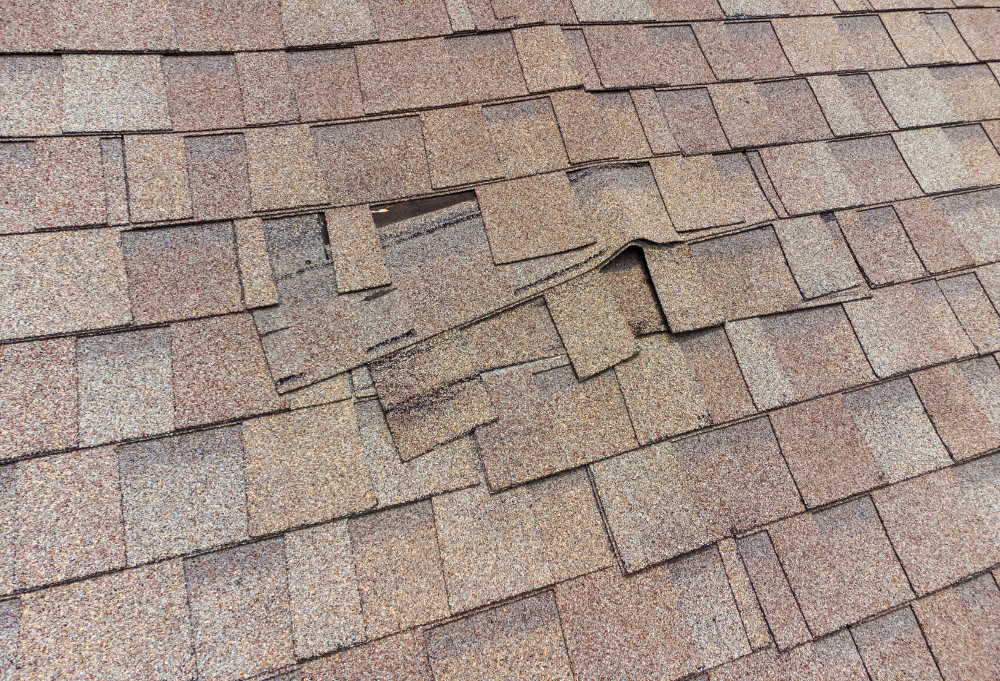
Look for obvious changes in the roofing surface from the safety of the ground. Depending on the roofing material, warning signs can include missing or damaged pieces, displaced components, dents, corrosion, or areas that simply look different from the surrounding roof.
Binoculars can make a ground-level inspection easier without requiring you to climb onto the roof.
2. Look Closely at Flashing
Flashing helps protect vulnerable transitions around roof edges, walls, chimneys, valleys, and other intersections. Check for flashing that appears loose, bent, separated, damaged, or otherwise out of position.
Tilton’s freeze-thaw conditions make these transition areas particularly worth monitoring because water can exploit small openings.
3. Inspect Visible Fasteners and Attachment Points
On roofing systems with exposed fasteners or other visible attachment points, look for anything that appears loose, missing, backed out, damaged, or deteriorated.
Do not attempt complicated repairs from a ladder or roof surface. A visual observation is often enough to determine that a closer professional inspection is appropriate.
4. Examine Sealants Around Roof Details
Sealants may be present around certain penetrations, flashing details, or other roof components. Watch for cracking, separation, gaps, or visible deterioration.
Adding sealant over an unknown problem is not always the right repair. The underlying detail should be evaluated first if deterioration is visible.
5. Clear Leaves, Pine Needles, and Other Debris
Roof debris should be removed when it can be done safely because accumulated organic material can trap moisture and interfere with drainage. This is especially relevant on wooded properties around Tilton, Northfield, Sanbornton, and other nearby communities.
Pay particular attention to valleys and other areas where debris naturally collects.
6. Check Gutters and Downspouts
Gutters and downspouts should be clear enough to carry rain and snowmelt away from the roof. Look for overflowing areas, sagging sections, blockages, loose components, or staining that suggests water is not following its intended drainage path.
Fall cleanup can be especially valuable before central New Hampshire heads into freezing weather.
7. Look for Moss, Algae, or Persistent Organic Growth
Moss or other organic growth deserves attention, particularly on shaded roof sections that receive less sunlight. Growth can indicate that an area is staying damp for extended periods.
Avoid aggressive scraping or pressure washing without knowing whether the cleaning method is appropriate for your particular roofing material.
8. Inspect Chimneys, Vents, and Other Penetrations
Roof penetrations create transitions where water must be carefully managed. From a safe viewing location, check around chimneys, plumbing vents, exhaust vents, skylights, and similar components for visible gaps, damaged flashing, deterioration, or staining.
These areas are worth checking after difficult winters or strong storms.
9. Check Roof Valleys and Drainage Paths
Valleys should allow water to move freely toward the roof edge and drainage system. Leaves, branches, snow, and other debris can interfere with that path.
Because valleys handle concentrated runoff, visible deterioration or recurring debris accumulation should not be ignored.
10. Inspect the Attic for Moisture Warning Signs
The underside of the roof can reveal problems that are difficult to see outside. Where accessible, look for damp insulation, water staining, discoloration, musty odors, or signs that moisture has entered the attic.
Check after rain or during the spring thaw if you suspect a developing leak.
11. Watch for Ventilation or Condensation Concerns
Attic moisture does not always come from an exterior roof leak. Condensation and ventilation issues can also contribute to dampness, frost, or moisture accumulation.
New Hampshire winters make attic conditions particularly important because warm interior air and a cold roof assembly can create moisture concerns that deserve proper diagnosis.
12. Check the Roof After Major Weather Events
An annual inspection is a baseline, not a reason to ignore the roof for the other 364 days. After high winds, heavy snow, falling branches, or other significant weather, perform another visual check from the ground.
Catching a new change soon after a storm can make it easier to determine what needs attention.
What Roof Conditions Do We Commonly Watch for in Central New Hampshire?
The roof conditions worth watching in central New Hampshire include snow and ice exposure, freeze-thaw movement, debris buildup, drainage problems, and moisture around vulnerable roof details. These are practical field concerns created by the region’s changing seasons rather than problems that affect every property equally.
Homes near Lake Winnisquam, the Winnipesaukee River, and throughout the broader Lakes Region vary widely in roof design, age, shade exposure, tree cover, and roofing material. A steep, open roof may behave differently from a lower-slope roof surrounded by mature trees.
That is why a checklist should help homeowners identify changes rather than encourage them to assume every roof has the same problem.
What Warning Signs Mean a Roof Needs More Attention?
Roof warning signs that deserve closer attention include active leaks, interior stains, visibly displaced roofing components, deteriorated flashing, recurring gutter overflow, unexplained attic moisture, and significant changes after a storm. A professional evaluation is appropriate when the cause cannot be identified safely from the ground.
Watch for:
-
New ceiling or wall stains after rain or snowmelt.
-
Damp or discolored roof decking visible from the attic.
-
Loose, bent, missing, or displaced roofing components.
-
Gaps or deterioration around flashing and penetrations.
-
Gutters that repeatedly overflow despite routine cleaning.
-
Persistent moss, debris, or moisture in roof valleys.
-
Visible damage following wind, falling branches, or heavy weather.
-
A roof section that appears noticeably different from the rest.
When Should Tilton Homeowners Call a Roofing Professional?
Tilton homeowners should call a roofing professional when an inspection requires walking on the roof, when a leak or moisture source is unclear, or when flashing, roofing panels, fasteners, penetrations, or structural components appear damaged. Safety should take priority over completing a DIY checklist.
Homeowners can generally perform visual observations from the ground, check accessible attic areas, and maintain gutters when that work can be completed safely.
Climbing onto a steep, wet, icy, snow-covered, or unfamiliar roof is different. New Hampshire conditions can make roof surfaces hazardous, and attempting a repair without identifying the actual water-entry point can make diagnosis more difficult.
What Are the Most Common Local Causes of Roof Wear?
Common causes of roof wear around Tilton include winter weather, repeated freezing and thawing, poor drainage, accumulated debris, wind exposure, and aging roof details. The effect of each factor depends on the roof’s material, installation, orientation, slope, surrounding trees, and maintenance history.
Winter exposure: Snow and ice can place seasonal stress on roofing and drainage components.
Freeze-thaw cycles: Water that reaches small openings may freeze and expand, which can contribute to deterioration over time.
Debris: Leaves and needles can hold moisture and obstruct drainage, particularly on wooded properties.
Wind and storms: Strong weather can loosen or damage roofing components and send branches onto the roof.
Aging details: Flashing, sealants, penetrations, and attachment points can require attention as a roofing system gets older.
When Is the Best Time to Perform Roof Maintenance in New Hampshire?
The best time for routine roof maintenance in New Hampshire is generally when conditions are dry, stable, and safe, with spring and fall offering useful opportunities to assess seasonal changes. Spring can reveal winter-related issues, while fall preparation helps homeowners address debris and drainage before freezing weather returns.
A simple schedule for local homeowners is to visually inspect after winter, clean drainage areas during leaf season, and check again after unusually severe storms.
DIY maintenance should remain limited to work that can be performed safely. Do not climb onto a wet, icy, snow-covered, or steep roof simply to complete a checklist.
What Results Can Homeowners Expect From Regular Roof Maintenance?
Regular roof maintenance can help homeowners identify visible deterioration earlier, keep drainage paths clearer, and make repair decisions before problems become more obvious. Maintenance cannot prevent every leak or weather-related problem, but it can provide a better understanding of the roof’s current condition.
For Tilton property owners, the biggest practical benefit is awareness. Knowing that flashing has shifted, a gutter is blocked, or an attic stain has appeared gives you information you can act on instead of discovering the issue during the next major storm.
What Roof Maintenance Mistakes Should Homeowners Avoid?
The biggest roof maintenance mistakes are taking unnecessary safety risks, using overly aggressive cleaning methods, covering symptoms without diagnosing them, and ignoring small changes from one season to the next. A safer approach is to observe carefully, document changes, and request professional help when the work exceeds basic maintenance.
Mistake: Walking on an icy or wet roof.
Consequence: Increased risk of a fall or roof damage.
Better approach: Inspect from the ground and wait for safe conditions or professional assistance.
Mistake: Pressure washing roof materials without confirming the method is appropriate.
Consequence: Cleaning may damage certain roofing components or finishes.
Better approach: Use a cleaning approach suitable for the specific roofing system.
Mistake: Applying sealant wherever water appears.
Consequence: The visible location may not be the actual source of water entry.
Better approach: Identify the failed roof detail before choosing a repair.
Mistake: Waiting for an active leak.
Consequence: Earlier warning signs may go unnoticed.
Better approach: Perform consistent seasonal visual checks.
What Is a Common Roof Maintenance Scenario Around Tilton?
A common local scenario is a homeowner noticing debris buildup and a small interior stain after a New Hampshire winter. The stain does not automatically identify the source, since water can travel before becoming visible inside the home.
A sensible response is to document when the stain appears, check accessible attic areas, observe the roof and drainage system from the ground, and arrange an inspection if the cause remains unclear. This is a representative scenario, not a specific customer case study.
What Roofing Services Can Help With Maintenance Concerns?
Professional roofing services can help evaluate problems that a homeowner cannot safely inspect or confidently diagnose, including questionable flashing, penetrations, roofing components, leak sources, and broader roof condition concerns. The appropriate solution should be based on what an inspection actually finds rather than assuming repair or replacement is necessary.
Our focus is helping property owners understand what they are seeing and determine the appropriate next step for their roofing system.
Should You Inspect a Roof Yourself or Call a Professional?
DIY roof checks are best for safe visual monitoring, while professional inspections are appropriate for inaccessible areas, active leaks, uncertain damage, and work that requires getting onto the roof. The right choice depends less on convenience and more on whether the inspection or repair can be performed safely and accurately.
A homeowner may be able to photograph a suspicious area from the ground, inspect an accessible attic, or notice a clogged gutter. Diagnosing water intrusion around a chimney or evaluating damaged roofing components requires a different level of access and experience.
What Areas Around Tilton Can Use the Same Seasonal Checklist?
Homeowners in Tilton and surrounding central New Hampshire communities can use the same basic seasonal roof checklist while adjusting it for their property’s roofing material, tree cover, slope, and exposure. Nearby Northfield, Sanbornton, Franklin, and other Lakes Region properties experience many of the same seasonal considerations.
Local conditions still vary from one property to another, so visible roof changes should be evaluated in the context of the individual home.
What Can Happen When Roof Maintenance Is Put Off?
Putting off roof maintenance can allow clogged drainage, loose components, failing details, or moisture problems to continue unnoticed. Over time, a problem that began at one small roof detail may affect insulation, decking, ceilings, walls, or other parts of the building if water is able to enter.
The goal is not to treat every small imperfection as an emergency. It is to recognize changes early enough to make an informed decision before another New Hampshire winter or spring thaw adds stress.
FAQ
How often should I inspect my roof in Tilton, NH?
Homeowners in Tilton should perform a basic visual roof check at least once each year and consider additional checks after significant storms or winter weather. Seasonal observations can help identify new debris, drainage problems, visible damage, or interior moisture before those warning signs are forgotten or exposed to another season.
Should I inspect my roof after every New Hampshire winter?
A post-winter roof check is useful because snow, ice, wind, and freeze-thaw conditions may reveal changes that were not visible the previous fall. Inspect from a safe location for displaced components, flashing concerns, gutter problems, debris, and interior moisture. Arrange professional evaluation when something looks damaged or uncertain.
What should Lakes Region homeowners check in the fall?
Lakes Region homeowners should focus on leaves, pine needles, branches, gutters, downspouts, valleys, and other drainage areas during fall maintenance. Clearing accessible debris before freezing conditions arrive can help water and snowmelt follow intended drainage paths. Heavily wooded properties may require more frequent observation during leaf season.
Can I safely walk on my metal roof to inspect it?
Walking on a metal roof is not necessary for a basic homeowner inspection and can create fall risks, particularly when the surface is wet, frosty, icy, or steep. Many visible conditions can be checked from the ground with binoculars or photographs. Leave difficult-to-access areas to someone equipped to inspect them safely.
Does attic moisture always mean my roof is leaking?
No. Attic moisture can be associated with roof leaks, but condensation and ventilation conditions may also contribute to moisture or frost. Because the source is not always obvious, note when and where moisture appears. A professional evaluation may be appropriate if the cause cannot be determined safely.
What should Belknap County homeowners look for after a windstorm?
Belknap County homeowners should look for fallen branches, displaced roofing material, bent or loose components, damaged flashing, gutter problems, and new interior staining after a windstorm. Keep the inspection at ground level if roof conditions are unsafe, and seek professional help when visible damage requires closer access.
Is moss on a roof always a sign that replacement is needed?
No. Moss by itself does not automatically mean a roof requires replacement. It does indicate that part of the roof may stay shaded or damp enough for growth to develop. The roofing material and condition should determine the appropriate response, and aggressive cleaning should be avoided unless it is suitable for that system.
When should I schedule a professional roof inspection in Tilton?
Schedule a professional inspection when you notice an active leak, unexplained attic moisture, damaged flashing, displaced roofing components, storm damage, or another condition that cannot be safely evaluated from the ground. An inspection can help determine whether the issue calls for maintenance, repair, or a broader roofing solution.
Protect Your Roof Through Every New Hampshire Season
A simple yearly checklist can make it easier to understand how your roof is responding to snow, ice, rain, debris, wind, and ordinary aging. We can help Tilton-area homeowners evaluate roofing concerns and determine an appropriate next step without relying on guesswork.