
If you live in Tilton or anywhere in Belknap County, you already know how quickly New England weather can take a toll on your home. Between heavy snow loads in winter, spring rainstorms, and summer heat, your roof is constantly under stress. Many homeowners do not notice small problems until they turn into costly repairs or full replacements.
Roof repair warning signs often show up long before a major failure, and catching them early can save thousands in Tilton, NH. The most common signs of roof damage include leaks, missing materials, sagging areas, and visible wear caused by snow, ice, and wind exposure common across central New Hampshire.
What Tilton homeowners should know about roof damage
- Roof damage in Belknap County often starts after winter due to ice dams and freeze-thaw cycles.
- Small issues like loose fasteners or minor leaks can quickly turn into structural problems if ignored.
- Many roofs in the Lakes Region can be repaired instead of replaced when damage is caught early.
- Storm damage from wind and hail in central NH is a leading cause of sudden roof issues.
- Early inspections help homeowners avoid emergency repairs and insurance complications.
Why roof problems are common in the Lakes Region
Roofs in Tilton and nearby communities like Franklin and Laconia face some of the toughest seasonal conditions in New Hampshire. Heavy snow accumulation puts stress on roofing systems, while ice dams can force water under shingles or panels. In warmer months, UV exposure and sudden storms add another layer of wear.
Homes near Lake Winnisquam and other local water sources also experience higher moisture levels, which can accelerate roof deterioration. Older homes throughout Merrimack County and surrounding areas often have aging roofing systems that are more vulnerable to these conditions.
At Drew’s Affordable Steel Roofing, we see firsthand how these local factors impact roofs year after year. That is why early detection matters.
Roof damage in Tilton, NH is most often caused by seasonal weather patterns, aging materials, and storm exposure, which makes early repair critical to avoiding major expenses. Local housing styles, including older capes and ranch homes, are especially prone to hidden roof issues that develop over time.
Roof damage often develops gradually, but local weather conditions can accelerate the process significantly. According to the National Weather Service, New Hampshire regularly experiences heavy snowfall and strong wind events that can compromise roofing materials over time.
How roof damage impacts homes in central New Hampshire
Roof damage in Tilton, NH can lead to leaks, structural issues, insulation problems, and increased repair costs if left untreated. Even minor damage allows water intrusion, which can affect attics, ceilings, and walls throughout the home.
In areas like Northfield and Sanbornton, we often see homeowners dealing with moisture damage that started as a small roofing issue. Over time, that moisture can lead to mold growth, wood rot, and reduced energy efficiency. For property managers and landlords, this can quickly turn into tenant complaints and expensive repairs.
What we see in the field across Belknap County
Local roofing experts often identify the same patterns of damage across homes in Tilton and surrounding areas. In our experience, most costly repairs could have been avoided with earlier inspections and minor fixes.
We frequently find that homeowners wait until a visible leak appears, but by that point, the damage has usually spread beyond the roof surface. Our recommendation is always to address warning signs as soon as they appear, especially after winter or major storms.
Signs of roof damage you should not ignore
The most common signs of roof damage include visible wear, leaks, structural changes, and performance issues that indicate your roof needs repair. Catching these early can prevent major expenses and extend the life of your roof.
- Water stains on ceilings or walls, which are clear leaking roof signs
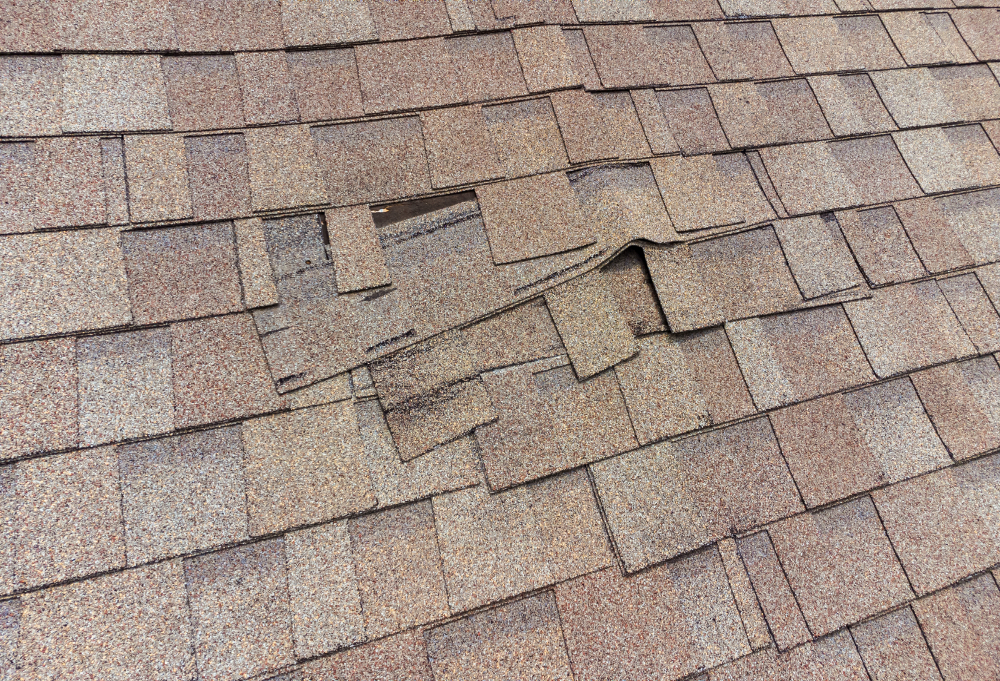
- Missing, loose, or damaged panels or shingles after storms
- Sagging areas on the roof, especially after heavy snow
- Rust or corrosion on metal roofing components
- Increased energy bills due to poor insulation performance
- Ice dams forming along roof edges in winter
- Granules or debris collecting in gutters
- Daylight visible through attic boards
If these issues are ignored, they can lead to full roof replacement instead of a simple repair.
When to fix your roof in the Lakes Region
You should fix your roof as soon as you notice warning signs or after any major weather event in Tilton, NH. Delaying repairs increases the risk of structural damage and higher costs.
Homeowners can safely monitor visible areas and check for interior signs like stains or drafts. However, climbing on the roof or attempting repairs without proper equipment is not recommended. Local weather conditions, including slick surfaces and sudden temperature changes, make DIY repairs risky.
What causes roof damage in this part of New Hampshire
Roof damage in Tilton, NH is primarily caused by snow load, ice dams, wind storms, and long-term material wear. These factors are more intense in New England compared to many other regions.
- Heavy snow accumulation puts stress on roofing structures
- Ice dams force water beneath roofing materials
- Wind storms lift or loosen panels and shingles
- Temperature swings cause expansion and contraction
- Aging materials lose their ability to protect the home
Homes near open areas or higher elevations often experience stronger wind exposure, increasing the risk of damage.
How to prevent costly roof repairs
Preventing roof damage in Tilton, NH requires regular inspections, proper maintenance, and addressing small issues early. Proactive care is the best way to avoid major expenses.
We recommend scheduling inspections after winter and after any significant storm. Keeping gutters clear, monitoring attic conditions, and ensuring proper ventilation all play a role in protecting your roof.
What to expect after roof repairs
Professional roof repairs restore protection, improve energy efficiency, and extend the life of your roof. Most repairs can be completed quickly when damage is caught early.
Homeowners often notice improved indoor comfort and fewer issues with moisture after repairs. In many cases, repairing a roof instead of replacing it can significantly reduce overall costs.
Local insight from the field
Roof issues in this region tend to spike in late winter and early spring due to ice dam formation and snowmelt. Addressing problems during this time helps prevent further damage as temperatures rise.
Common mistakes homeowners make
Homeowners often make costly mistakes by ignoring early warning signs or delaying repairs.
- Waiting until a leak becomes visible before taking action
- Assuming all damage requires full replacement
- Attempting unsafe DIY repairs
- Skipping regular inspections
- Not addressing storm damage promptly
A better approach is to evaluate issues early and understand whether repair or replacement is the right solution.
A common local scenario
A typical situation in Tilton involves a homeowner noticing a small ceiling stain after winter. Upon inspection, the issue often traces back to an ice dam that allowed water under the roofing material.
In many cases, this type of damage can be repaired quickly if addressed early. However, waiting too long can lead to widespread moisture damage and higher costs.
How our services help solve roof issues
Roof repair services address damage early, prevent further deterioration, and help homeowners avoid full replacement when possible. We specialize in identifying whether a repair or replacement makes the most sense based on cost and lifespan.
Our team works with homeowners, property managers, and insurance claims to provide clear guidance and practical solutions. We focus on budget-friendly repairs whenever possible and offer options that fit different needs.
Repair vs. replacement: what makes sense
Choosing between roof repair and replacement depends on the extent of damage, age of the roof, and long-term goals. Many roofs in the Tilton area can be repaired effectively if issues are caught early.
Repairs are ideal for localized damage, while replacement is recommended for widespread deterioration or aging systems. Understanding this difference helps homeowners make informed decisions.
Serving Tilton and surrounding communities
We proudly serve homeowners across Tilton, as well as nearby areas like Franklin, Laconia, Northfield, and Sanbornton. Our team understands the unique challenges of roofing in central New Hampshire and responds quickly to local needs.
The cost of ignoring roof damage
Ignoring roof repair warning signs can lead to major structural damage, higher repair costs, and potential health risks. Small issues often grow into expensive problems when left unaddressed.
Water intrusion can damage insulation, drywall, and framing, while also creating conditions for mold growth. Addressing problems early is always more affordable than waiting.
Frequently asked questions about roof damage in Tilton
What are the most common signs of roof damage in Tilton, NH?
The most common signs of roof damage include leaks, missing materials, sagging areas, and visible wear. In this region, ice dams and storm damage are especially common causes.
When should I fix my roof?
You should fix your roof as soon as you notice any warning signs or after a major storm. Early repairs help prevent more serious and costly damage.
Can a damaged roof be repaired instead of replaced?
Yes, many roofs can be repaired if the damage is localized. A professional inspection will determine whether repair or replacement is the better option.
How do I know if I have a leaking roof?
Leaking roof signs include water stains, musty odors, and visible moisture in the attic. These issues should be addressed immediately.
Does insurance cover roof damage?
Insurance may cover damage caused by storms or sudden events. It is important to document the damage and work with a contractor experienced in insurance claims.
How often should I have my roof inspected in New Hampshire?
Roofs should be inspected at least once a year and after major storms. This helps catch problems early.
What causes roof damage in this area?
Common causes include snow, ice dams, wind, and aging materials. Local weather patterns play a major role.
Is metal roofing a good option in New Hampshire?
Yes, steel roofing performs well in harsh winters and can last decades with proper installation and maintenance.
Closing thoughts
Roof problems are common in this part of New Hampshire, but they do not have to become major expenses. With the right attention and timing, most issues can be handled early and affordably.
Protect your home before small problems grow
Get ahead of costly repairs with a professional roof inspection you can trust. We provide honest recommendations, clear pricing, and solutions built for New England weather.