
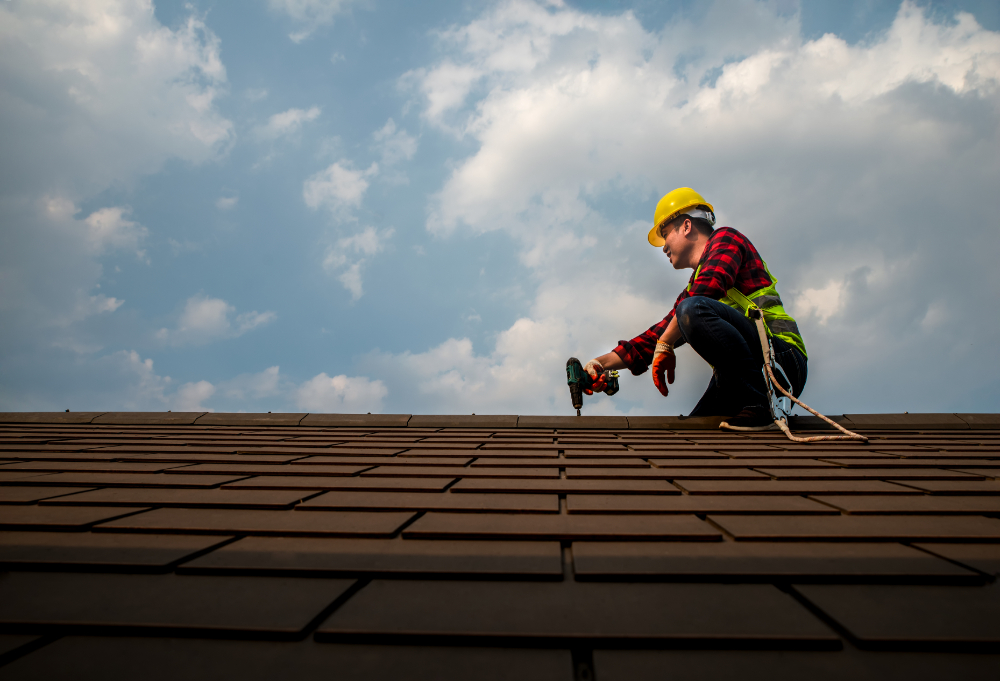
Living in Tilton, NH means your roof faces everything New England can throw at it. Heavy snow, ice dams, spring rain, high winds, and summer heat all take a toll over time. If you’ve noticed missing shingles, leaks, or storm damage, you’re probably asking the same question many local homeowners do: should I repair or replace roof?
Quick Answer
The right choice depends on your roof’s age, the extent of the damage, and the overall condition of the roofing system. Minor damage on a relatively young roof is often best addressed with targeted repairs. However, widespread deterioration, recurring leaks, or an aging roof nearing the end of its lifespan may make replacement the more cost-effective long-term investment. Understanding the roof repair vs replacement decision helps you avoid spending money on temporary fixes that won’t last.
What Tilton Homeowners Should Know
- A localized leak does not always require a complete roof replacement.
- New Hampshire winters often reveal hidden roof damage caused by snow loads and freeze-thaw cycles.
- Insurance may cover storm-related damage from hail or high winds, depending on your policy.
- Replacing an older roof before major structural damage develops can save thousands in future repairs.
- Metal roofing systems provide exceptional durability for homes throughout Belknap County and surrounding communities.
Why This Matters Locally
Roofs across Tilton, Laconia, Concord, Franklin, and the Lakes Region experience significant seasonal stress. Ice dams can force water beneath roofing materials, while repeated freezing and thawing gradually weaken flashing, fasteners, and underlayment. Older homes throughout Merrimack County and Belknap County are especially vulnerable because many roofs have already endured decades of New England weather.
Drew’s Affordable Steel Roofing has helped homeowners throughout New Hampshire determine whether repairing or replacing a roof makes the most financial sense. We focus on honest recommendations, transparent pricing, and long-term value instead of recommending replacement when a quality repair is still the better option.
Local Field Observations
Based on our experience serving New Hampshire homeowners for more than 30 years, many roofing inspections reveal damage that appears severe from the ground but is actually isolated to a small section. We also encounter roofs where repeated repairs have become more expensive than investing in a new roofing system. Every roof deserves a professional inspection before deciding between repair and replacement.
How Roof Age Affects Your Decision
Roof age is one of the biggest factors in the roof repair vs replacement decision.
As a general roof lifespan guide:
| Roofing Material | Typical Lifespan |
|---|---|
| Asphalt shingles | Approximately 20 to 30 years |
| Architectural shingles | Approximately 25 to 35 years |
| Steel roofing | 50 years or more with proper installation and maintenance |
If your asphalt roof is approaching the end of its expected lifespan and requires multiple repairs, replacement often provides better long-term value.
Warning Signs Your Roof May Need Professional Attention
Several warning signs indicate your roof should be inspected as soon as possible.
- Water stains on ceilings or attic insulation
- Missing, cracked, or curling shingles
- Rusted or damaged flashing around chimneys or vents
- Sagging roof decking
- Granules collecting in gutters
- Moss growth trapping moisture
- Repeated leaks after previous repairs
- Storm damage from wind or hail
These issues may indicate either a repairable problem or the need for a complete replacement.
When Roof Repair Makes Sense
Roof repair is often the right choice when damage is isolated and the rest of the roofing system remains in good condition.
Repairs are typically appropriate when:
- A few shingles have blown off during a windstorm.
- Flashing around a chimney or skylight has failed.
- A small leak has been identified early.
- Storm damage affects only one section of the roof.
- The roof is relatively new and structurally sound.
Repairing these problems promptly helps prevent moisture intrusion and more costly structural damage.
When Roof Replacement Is the Better Investment
Replacement is usually the smarter option when repairs become frequent or widespread.
A new roof may be recommended if:
- Multiple leaks develop throughout the home.
- Large areas of shingles are deteriorating.
- The roof has exceeded its expected lifespan.
- Structural decking has sustained water damage.
- Previous repairs continue to fail.
Replacing the roof also provides an opportunity to improve energy efficiency and install modern materials designed for New England weather.
Comparing the Cost to Repair Roof vs Replace
The cost to repair roof vs replace depends on several factors, including roof size, material, accessibility, and the extent of the damage.
Repairs generally have a lower upfront cost and are ideal for isolated issues. However, homeowners should also consider how often additional repairs may be needed over the next several years.
Replacement requires a larger investment initially but often eliminates recurring repair expenses while increasing long-term durability and property value.
A professional inspection provides the clearest picture of which option offers the better financial outcome.
Storm Damage and Insurance Claims
New Hampshire storms can cause damage that is not immediately visible from the ground.
High winds may loosen roofing materials, hail can dent metal components or bruise shingles, and fallen tree limbs can compromise the roof structure.
If your roof has been damaged during a storm, documenting the damage quickly is important. We help homeowners identify storm-related issues and assist throughout the insurance claims process whenever applicable, making it easier to understand what repairs may be covered.
Preventing Future Roofing Problems
Routine maintenance extends roof life regardless of the roofing material.
Helpful maintenance includes:
- Cleaning gutters before winter.
- Removing tree limbs hanging over the roof.
- Scheduling annual roof inspections.
- Checking attic ventilation.
- Addressing small leaks immediately.
- Inspecting the roof after major storms.
These simple steps help reduce expensive repairs while protecting your home’s structure.
Common Mistakes Homeowners Make
Mistake: Waiting until a small leak becomes a major problem.
Consequence: Water damage spreads into insulation, drywall, and structural framing.
Better approach: Schedule an inspection as soon as signs of damage appear.
Mistake: Choosing replacement without a professional evaluation.
Consequence: Spending significantly more than necessary.
Better approach: Have the roof inspected to determine whether repairs can safely extend its lifespan.
Mistake: Repeatedly patching an aging roof.
Consequence: Repair costs continue to accumulate without solving the underlying issue.
Better approach: Compare long-term repair expenses with replacement costs before making a decision.
Common Local Scenario
A Tilton homeowner notices a water stain after a heavy winter snowfall. An inspection reveals that ice damming caused flashing damage around a chimney while the rest of the roof remains in excellent condition. Rather than replacing the entire roof, a targeted repair restores the system and prevents further leaks, saving the homeowner thousands of dollars.
Related Roofing Solutions
Depending on your inspection results, solutions may include:
- Roof leak repairs
- Storm damage restoration
- Flashing replacement
- Emergency roofing services
- Complete roof replacement
- Residential steel roofing installation
- Standing seam metal roofing
- Steel shingle roofing systems
Repair vs Replacement Comparison
| Roof Repair | Roof Replacement |
|---|---|
| Lower upfront investment | Higher initial investment |
| Best for isolated damage | Best for aging or widespread damage |
| Faster completion | Long-term solution |
| Extends roof life | Resets the roof lifespan |
| Ideal for newer roofs | Ideal for roofs nearing the end of service life |
Serving Tilton and Surrounding Communities
We proudly serve homeowners throughout Tilton, Laconia, Concord, Franklin, Belmont, Meredith, and surrounding communities across New Hampshire. Our knowledge of local weather conditions and building practices helps us recommend roofing solutions designed for New England’s demanding climate.
The Cost of Waiting
Delaying roof repairs can allow water to damage insulation, framing, drywall, and interior finishes. What begins as a minor repair may eventually require structural work or a full roof replacement that could have been avoided through early intervention.
Frequently Asked Questions
Should I repair or replace roof if it only has one leak?
Yes, a single leak often can be repaired if the rest of the roof remains in good condition. A professional inspection identifies whether the damage is isolated or part of a larger issue.
How long should a roof last in Tilton, NH?
As a general roof lifespan guide, asphalt roofs typically last 20 to 30 years, while properly installed steel roofing systems can last 50 years or more despite New Hampshire’s demanding weather.
Is metal roofing a good choice for New Hampshire?
Yes. Metal roofing performs exceptionally well against snow, ice, wind, and temperature fluctuations common throughout Tilton and the surrounding Lakes Region.
Does homeowners insurance cover roof damage?
Storm damage caused by covered events such as hail or wind is often eligible for insurance coverage. Wear from normal aging generally is not covered.
How can I tell if storm damage is hidden?
The safest answer is to schedule a professional inspection. Damage beneath shingles or around flashing may not be visible from the ground but can still allow water intrusion.
Can a new steel roof be installed over my existing roof?
In many cases, yes. Depending on the existing roof’s condition and local building requirements, steel roofing can often be installed without a complete tear-off, reducing labor and disposal costs.
Protect Your Home with the Right Roofing Decision
Choosing between roof repair and replacement doesn’t have to be confusing. With a thorough inspection and honest guidance, you can make the decision that best protects your home and your budget for years to come.